

In development
NIP-SIC composite
What is the NiP‐SiC Composite?
The NiP‐SiC Composite is an evolution of electroless nickel: it is an autocatalytic Ni‐P deposit in which Kanigen Group co-deposits very hard and finely dispersed silicon carbide (SiC) particles into the metallic matrix. This coating forms a homogeneous, perfectly adherent layer that combines the corrosion resistance of electroless nickel with significantly superior wear resistance and dry tribological performance.
Thanks to its composite structure (Ni‐P + SiC), the NiP‐SiC achieves very high hardness values (>1200 HV0.1 after heat treatment) and extends the service life of components under severe operating conditions.
The NiP‐SiC Composite is a technical alternative to hard chrome for wear-prone components, particularly when the part geometry requires a more uniform deposit.
Our solutions

Corrosion protection

Wear-resistant

Alternative to hard chrome
The main characteristics of NiP-SiC Composite
The Ni‐P matrix of the composite determines the balance between hardness and ductility.
Kanigen Group has developed its own bath based on the Kanigen® process, maintaining high corrosion resistance through a phosphorus content exceeding 8.5 wt%, while incorporating SiC particles of approximately 1 micron, homogeneously distributed throughout the layer (20 to 30 vol%).
The layer achieves a hardness of >1200 HV0.1 after heat treatment (280°C for 11 hours).
The NiP‐SiC Composite thus offers excellent corrosion resistance combined with high mechanical wear resistance.

Wear and Corrosion Resistance of the NiP‐SiC Composite
The NiP‐SiC Composite offers excellent corrosion resistance combined with superior mechanical wear resistance.
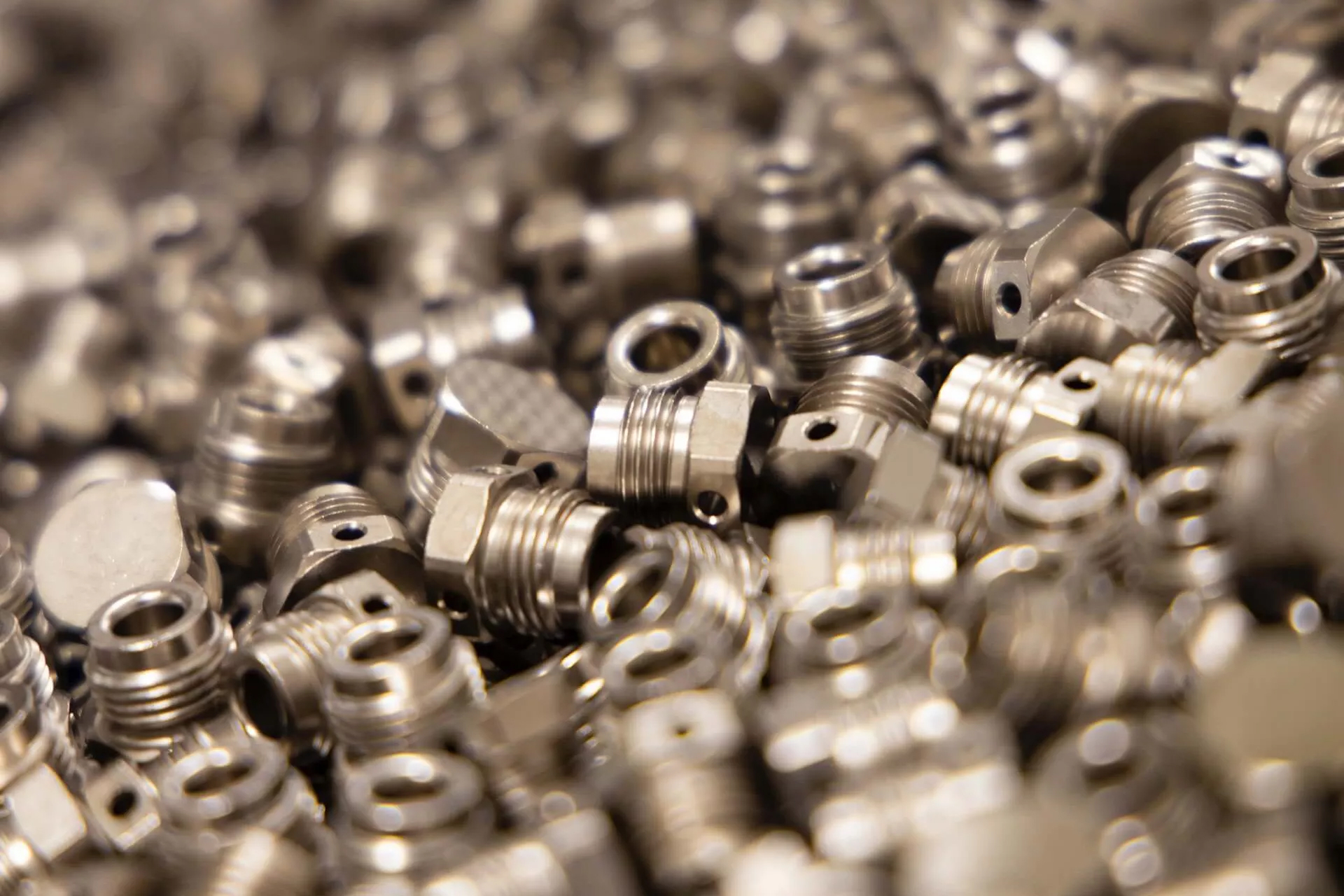
Technical Properties of the NiP‐SiC Composite
| Property | Typical value (Kanigen) |
| Composition | Ni-P (8-12%) + SiC 10-30% vol |
| Deposit thickness | 5 à 100 μm |
| Hardness after T° (400°C) | 500-700 HV |
| Friction coefficient | 1500-1800 HV |
| Wear rate | 10-6 à 10-7 mm3/N-m |
| Max. temperature | 400-500°C |
| Electrical conductivity | 10-20% IACS |
| Surface roughness Ra | 0,05-0,15 μm |
| Adhesion | > 30 N/mm2 |
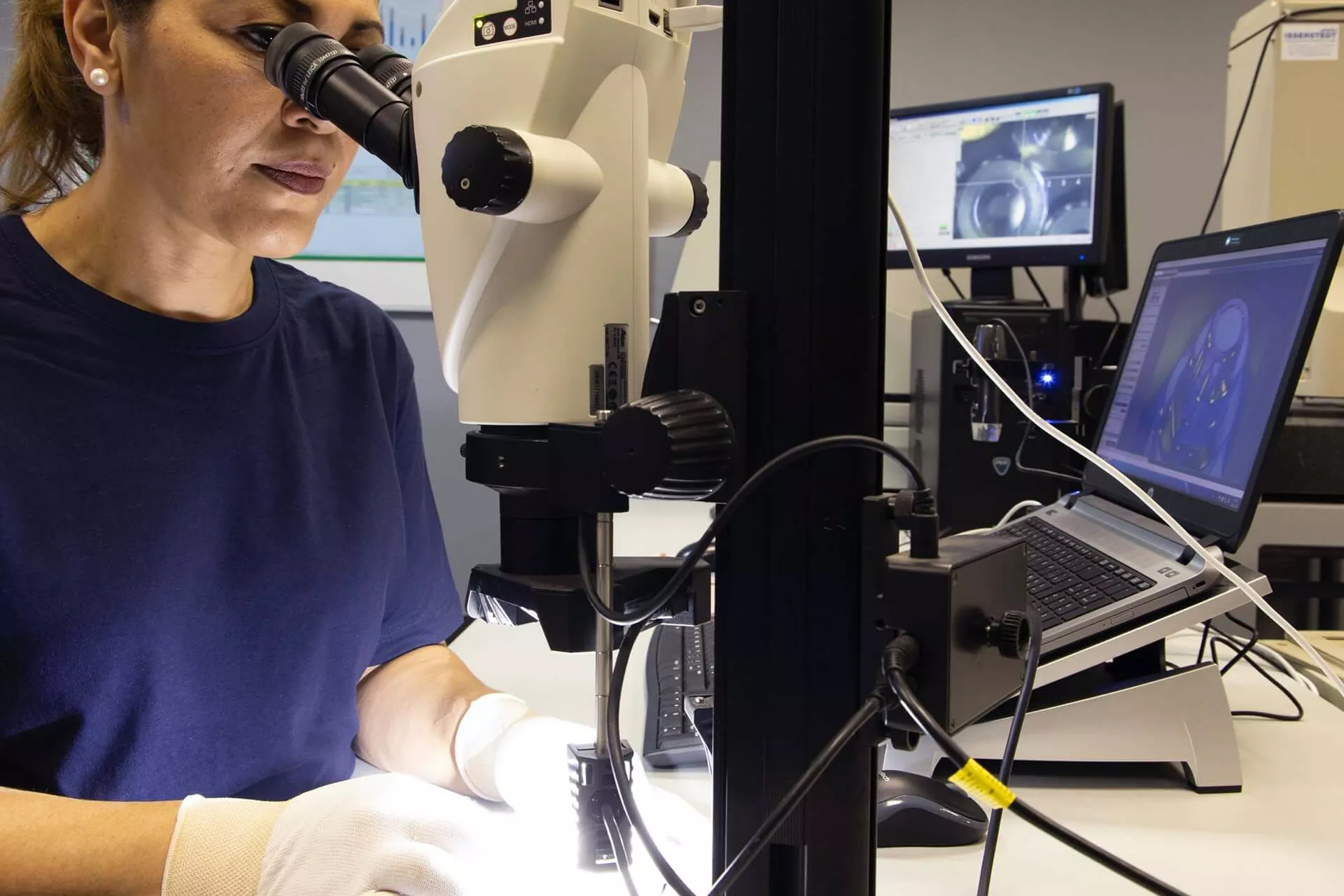
Applicable Standards and Tests for the NiP‐SiC Composite
Kanigen Group qualifies its NiP‐SiC deposits according to the following reference frameworks:
- ISO 4527 (autocatalytic Ni‐P nickel plating)
Specific tribological tests (wear, dry friction) follow applicable ISO, ASTM and AMS protocols.
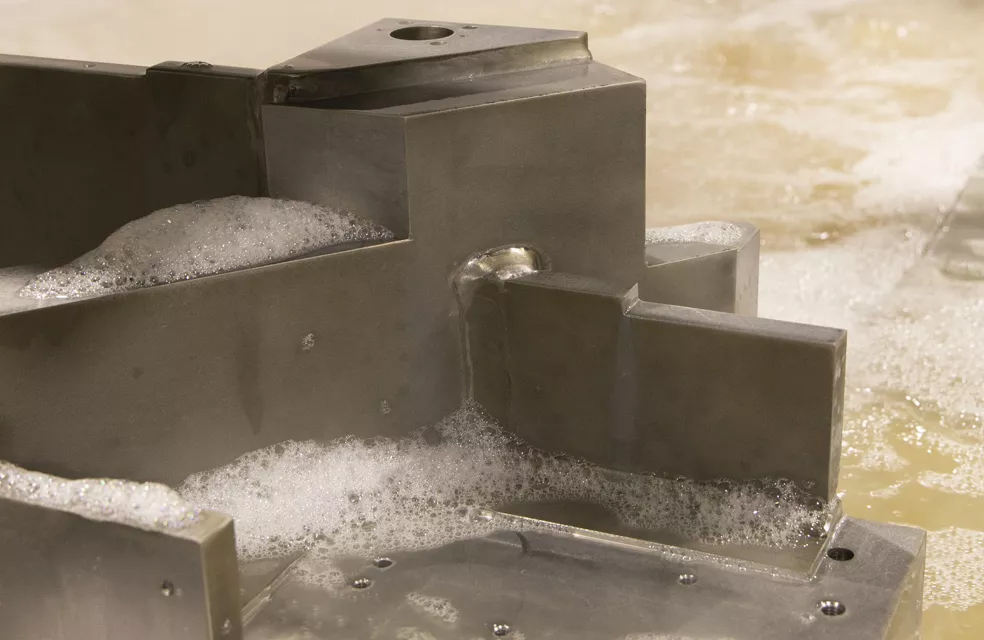
Materials Compatible with NiP‐SiC
The NiP‐SiC Composite can be applied to most metals and alloys.
Kanigen Group is industrialising a production line to treat:
- Carbon steels (unalloyed)
- Low-alloy steels (<5 wt% Ni, Cr, Mo, V, ...)
An Alternative to Hard Chrome
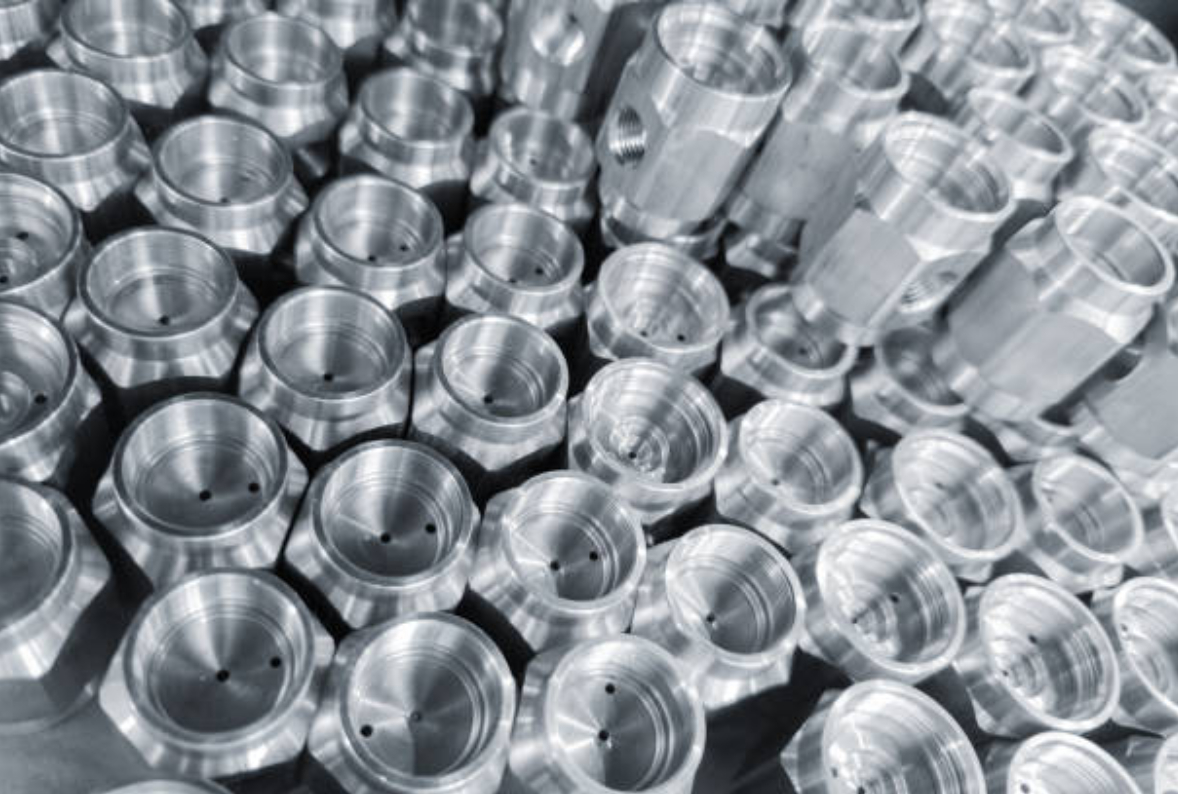
The NiP‐SiC Composite is a technical alternative to hard chrome for wear-prone components, particularly when the part geometry requires a more uniform deposit.
Its key advantages include:
- uniform deposit, including on complex geometries,
- reduction of edge build-up effects,
- improved control of layer thickness on functional areas,
- ability to combine wear resistance with dimensional accuracy.
Industrial and technical literature regularly presents nickel‐SiC deposits as a credible substitute for hard chrome in anti-wear applications, with hardness values reaching approximately 1100 HV depending on formulation and heat treatment.

Geometry, Hardening and Technical Comparison
The behaviour of the NiP‐SiC Composite depends on:
- the geometry of the part,
- the size of the SiC particles,
- their distribution within the layer,
- hardness >1200 HV0.1 after heat treatment.
On complex shapes, the autocatalytic nature of electroless nickel enables a more uniform layer than conventional electrolytic deposition. However, certain geometric constraints must be taken into account. To ensure layer homogeneity, SiC particles must be kept in suspension. For large components, rotation is required to achieve uniform distribution.
Indicative Comparison of Technical Performance: NiP‐SiC Composite vs. Hard Chrome
| Criterion | NiP-SiC fine grain | NiP-SiC larger grain | NiP-SiC + heat treatment | Hard chrome |
| Deposit uniformity | Very good | Very good | Very good | More sensitive to edge effects |
| Complex geometries | Very suitable | Suitable | Very suitable | Less favourable |
| Surface condition | Finer, more homogeneous | More textured | Depends on required finish | Variable |
| Wear resistance | High | Très bonne | Very High | High |
| Hardness | High | High | Enhanced | High |
| Dimensional adjustment | Good | Good | Good | May require more rework passes |
Our experience demonstrates that:
- the incorporation of SiC improves the wear resistance of Ni‐P,
- particle size and dispersion influence layer morphology and performance,
- heat treatment enhances the tribological behaviour and hardness of the coating.
YES, I would like to receive more information regarding Kanigen Group’s technical solutions
Download